Music Production Lessons in San Francisco
Jonah Hill
November 7, 2026
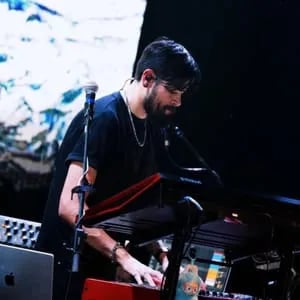
Music production has become one of the most accessible creative careers in music, and San Francisco has deep roots across every scene producers work in: electronic music, indie pop, film scoring, podcast and media audio, and the massive tech-adjacent creative community. For SF adults and teens who want to make their own music rather than just perform it, private music production instruction accelerates the learning curve dramatically compared to self-taught YouTube study.
Craft Music is a service-area business that sends conservatory-trained music production teachers to homes across the SF service area. Teachers travel to your home, or lessons can run online when preferred for production work. For related creative instruction, see our adult music lessons in SF guide.
The Craft Music Approach to Music Production Teaching
Craft Music was founded by James Craft, whose academic background includes the University of Notre Dame, the San Francisco Conservatory of Music, and USC Thornton School of Music. James has direct film composition and music production experience, and our SF production teachers come from similar academic + working-producer backgrounds. Every teacher is conservatory or university trained, actively producing or releasing music, personally interviewed, and background checked.
Music production teachers are different from traditional instrument teachers. A good production teacher needs to be an active working producer, because the tools (DAW software, plugins, hardware) evolve too fast for anyone not using them professionally. Our SF production teachers work in Ableton Live, Logic Pro, Pro Tools, FL Studio, and other DAWs daily on their own music.
What You Will Learn in Production Lessons
- DAW basics: your choice of Ableton Live, Logic Pro, Pro Tools, FL Studio, or other
- Beat making and rhythm programming
- Music theory essentials for producers (what matters, what you can skip)
- Sound design and synthesis basics
- Sampling and sample flipping
- Recording techniques (vocals, acoustic instruments, direct inputs)
- Mixing fundamentals: EQ, compression, reverb, panning
- Mastering basics: loudness, limiting, final polish
- Workflow and song completion (the hardest skill most producers miss)
- Release prep: streaming distribution, cover art specs, metadata
Which DAW to Start With
This is the most common question. Short answer: pick based on the music you want to make.
- Ableton Live: electronic music, hip hop, pop, live performance
- Logic Pro (Mac only): singer-songwriter, pop, film music, general-purpose
- FL Studio: hip hop and electronic (dominant in those scenes)
- Pro Tools: studio recording, post-production, industry standard
- Our SF teachers can teach any of these; the first lesson often helps the student pick
Equipment You Need
The modern production starter setup is surprisingly manageable:
- Computer (Mac or PC with reasonable specs; a 5-year-old laptop works)
- DAW software (test versions available for all major DAWs to try before buying)
- Headphones (closed-back for recording, open-back for mixing if budget allows later)
- MIDI keyboard controller (25 or 49 keys is plenty to start)
- Audio interface (basic 2-input models work for the first year)
- A quiet-ish room (acoustic treatment comes later)
What Age Can Students Start Production?
Standard starting window is ages 12+ for serious production study. Younger teens can start if they are already musically curious and comfortable with computer interfaces. Adult beginners of any age are the most common Craft Music SF production students. Many are tech-adjacent professionals who want a creative outlet.
What a First Production Lesson Looks Like
- Teacher arrives and asks about musical taste, listening history, and what styles the student wants to make.
- DAW tour: walk through the basic interface of the student's DAW choice.
- First simple beat or chord progression built from scratch.
- First save, first export, first listen back.
- Practice assignment: finish one short musical idea before next week.
- Brief chat about workflow habits that separate productive hobbyists from stalled ones.
Realistic Progress Timeline
For a beginner practicing 3 to 5 hours a week (production practice is longer-session work than instrument practice): first finished short track within 4 to 6 weeks, first legitimately shareable track within 3 to 6 months, first streaming release within 6 to 12 months if that is the goal. Production has no set skill ceiling; working producers are always learning. Our how long to learn an instrument guide covers broader learning timelines.
SF Neighborhoods We Serve for Production
Production instruction often works well partially or fully online given the computer-based nature of the work. Many SF production students use a hybrid of in-home and online lessons.
Why Private Lessons Beat YouTube for Production
Nearly every modern producer started by watching YouTube tutorials, and YouTube is genuinely useful for learning specific techniques. But private production lessons solve the three problems YouTube cannot:
- Finishing songs: YouTube teaches techniques but rarely teaches song completion. Most self-taught producers have dozens of unfinished tracks. A good teacher drives song completion weekly.
- Honest feedback: YouTube cannot listen to your music and tell you what is weak. A teacher hears your actual tracks and names the specific weakness to fix.
- Workflow and habit: the difference between producers who release music and producers who do not is almost entirely workflow. A teacher installs the workflow habits that convert talent into finished output.
How to Get Started with Craft Music Production in SF
Fill out a short form on the get-started page describing yourself (musical background including any instrument study, DAW preference if any, musical style goals like hip hop or electronic or singer-songwriter, specific goals like "release my first track" or "learn mixing", SF neighborhood or online preference). Within 2 to 3 business days, we match you with a Craft Music SF production teacher who works in your preferred DAW and style. The teacher reaches out directly to schedule the first lesson. Most SF production students schedule a standing weekly slot; many use the hybrid in-home + online approach given the computer-centric nature of production work.
Frequently Asked Questions
Does Craft Music teach music production in San Francisco?
Yes. Craft Music is a service-area business that sends conservatory-trained production teachers to homes across the SF service area. Online lessons are also available.
Which DAW should I start with?
Ableton Live for electronic, hip hop, and pop. Logic Pro for singer-songwriter and general use (Mac only). FL Studio for hip hop and electronic. Pro Tools for studio recording. Your teacher helps you pick in the first lesson.
What equipment do I need to start?
A computer (5-year-old laptop works), DAW software, headphones, a MIDI keyboard controller (25 to 49 keys), and a basic audio interface. Total starter setup is affordable.
What age can students start music production?
Standard starting window is ages 12+. Younger teens can start if musically curious and comfortable with computers. Adult beginners of any age are the most common SF production students.
How long until I can finish a song?
First finished short track within 4 to 6 weeks. First legitimately shareable track within 3 to 6 months. First streaming release within 6 to 12 months if that is the goal.
Ready to Get Started?
Ready to start music production lessons in SF? Get started with Craft Music and we will match you with a conservatory-trained SF production teacher who works in your DAW of choice. Meet the team on our teachers page.


