Classical Piano Lessons in San Francisco
Jonah Hill
November 7, 2026
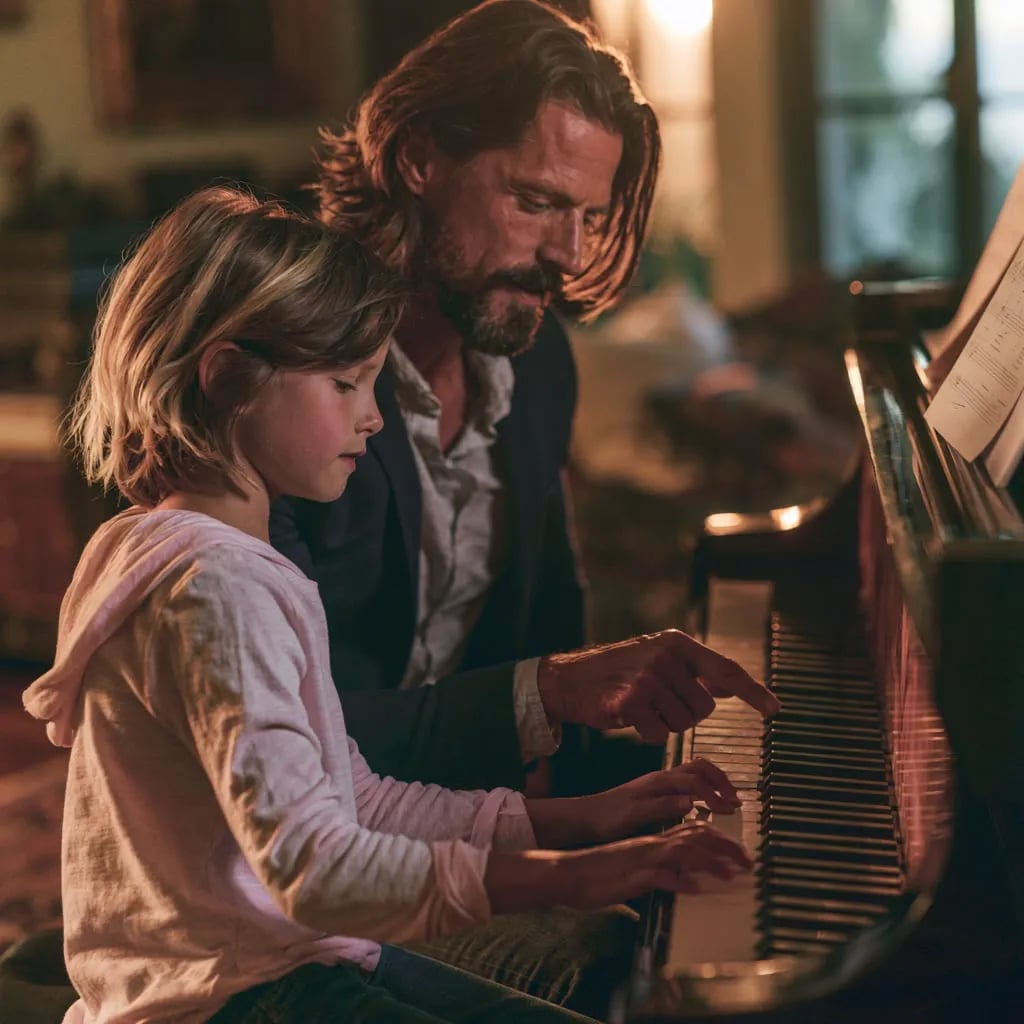
Classical piano instruction is the traditional foundation of Western music education. For SF students serious about building deep musical understanding (whether the end goal is professional performance, music theory mastery, chamber music, or just the deepest possible relationship with music), classical piano is unmatched. San Francisco specifically has one of the strongest classical piano scenes on the West Coast: the SF Conservatory of Music, the SF Piano Group, Chinese and Russian classical traditions imported through SF's immigrant communities, countless local recitals and competitions, and a long history of producing professional pianists.
Craft Music is a service-area business that sends conservatory-trained classical piano teachers to homes across the SF service area. Teachers travel to your home. For general piano instruction see our piano lessons in San Francisco, and for the jazz specialty angle see our jazz piano lessons SF guide.
The Craft Music Approach to Classical Piano Teaching
Craft Music was founded by James Craft, whose academic background includes the University of Notre Dame, the San Francisco Conservatory of Music, and USC Thornton School of Music. The SF Conservatory of Music has one of the most respected classical piano departments in the United States, and many of our SF classical piano teachers come from that tradition or comparable programs (Juilliard, Eastman, Curtis, Peabody, etc).
Classical piano teaching is different from jazz, contemporary, or general piano teaching. It requires strict technique development, consistent attention to score fidelity, formal repertoire progression through standard graded books, comprehensive theory integration, and exam or competition preparation experience. Our SF classical piano teachers specialize in this tradition. Every teacher is conservatory or university trained, personally interviewed, and background checked.
What Classical Piano Study Looks Like
- Technique: scales, arpeggios, Hanon exercises, Czerny etudes, Chopin and Liszt studies at advanced levels
- Repertoire: progressive study through Baroque (Bach), Classical (Mozart, Haydn), Romantic (Chopin, Schumann, Brahms), Impressionist (Debussy, Ravel), and 20th-century (Prokofiev, Bartok, Shostakovich) literature
- Sight reading: weekly new material at appropriate difficulty
- Theory integration: harmonic analysis of every piece studied
- Memorization: performance pieces committed to memory for recitals and competitions
- Performance practice: regular recital or public performance opportunities
Standard Classical Piano Curriculum Progression
Most SF classical piano students work through standard graded repertoire:
- Years 1 to 2: Beginner method books (Faber, Alfred, Bastien), simple Classical-era pieces
- Years 3 to 5: Bach Anna Magdalena Notebook, early Mozart sonatinas, simple Chopin preludes
- Years 6 to 8: Full Bach inventions and preludes, intermediate Mozart and Haydn sonatas, early Chopin mazurkas
- Years 9+: Bach Well-Tempered Clavier, full Mozart and Beethoven sonatas, Chopin etudes and ballades, Romantic concertos
- Pre-conservatory level: competition-ready performances, concerto work with piano accompaniment
Exam and Competition Preparation
Several of our SF classical piano students prepare for specific exams or competitions:
- RCM (Royal Conservatory of Music) graded piano exams levels 1 through 10
- Certificate of Merit (CM) California state exam
- ABRSM (Associated Board of the Royal Schools of Music) graded exams
- Local SF piano competitions (SF Piano Group, Young Pianists Competition, others)
- National competitions for advanced students
- SF Youth Orchestra piano auditions
- SFCM prep division auditions
- College music program auditions (Juilliard, Eastman, SFCM, Oberlin, etc.)
What Age Can Kids Start Classical Piano?
Classical piano can start as young as ages 5 to 6 with the right teacher and parent involvement. More commonly students start between ages 6 and 8. Our best age to start music lessons guide covers readiness in detail. Adult beginners can study classical piano successfully; they progress differently than kids but can reach genuine intermediate-advanced performance ability.
What a First Classical Piano Lesson Looks Like
- Teacher arrives 5 minutes early and gets the student comfortable at the piano.
- Hand position and posture introduction (critical for long-term technique).
- Five-finger position C major scale with proper fingering.
- First beginner piece from the method book (usually something from Faber or Alfred for kids, more advanced for teens or adults).
- Introduction to note reading and rhythm counting.
- A specific practice assignment with clear daily goals for the week.
- Brief chat about practice environment, piano quality, and parent involvement expectations.
Piano You Need to Study Classical
For serious classical piano study, instrument quality matters more than for casual piano.
- Acoustic upright piano (preferred for intermediate and advanced study)
- Acoustic grand piano (preferred for advanced study)
- High-end digital piano with fully weighted hammer-action keys (acceptable for first 3 to 5 years)
- Regular tuning (twice a year for acoustic pianos)
- Bench at correct height for the student
- Metronome (standalone or app)
- Method books and sheet music (teacher provides specific recommendations)
Progress Timeline for a Classical Piano Student
Classical piano progress is slower and more disciplined than contemporary or jazz piano because the standards are higher. For a 6-year-old starting with 15 to 20 minutes of daily practice: comfortable with 5-finger patterns and simple pieces by month 3, first recital performance within year 1, Bach Minuets by year 2, first Clementi sonatina by year 3, first Bach Invention by year 4 or 5. Our how long to learn an instrument guide has more.
SF Neighborhoods We Serve for Classical Piano
How to Get Started with Craft Music Classical Piano in SF
Fill out a short form on the get-started page describing the student (age, musical background including any prior piano, specific goals like RCM exam prep or competition prep or general classical study, timeline for any specific exam or audition, SF neighborhood). Within 2 to 3 business days, we match you with a Craft Music SF classical piano teacher whose background fits the student profile. The teacher reaches out directly to schedule the first in-home lesson. Most SF classical piano students schedule a standing weekly slot. For serious students preparing for conservatory auditions or competitions, we typically increase to 2 lessons per week in the 6 months leading up to the key date.
Frequently Asked Questions
Does Craft Music teach classical piano in San Francisco?
Yes. Craft Music is a service-area business that sends conservatory-trained classical piano teachers to homes across the SF service area. Many teachers come from the SF Conservatory of Music classical piano tradition or comparable programs.
What age can my child start classical piano?
Classical piano can start as young as ages 5 to 6 with the right teacher and parent involvement. More commonly students start between ages 6 and 8.
Do I need an acoustic piano for serious classical study?
For intermediate and advanced classical piano, yes an acoustic upright or grand is strongly preferred. For the first 3 to 5 years, a high-end digital piano with fully weighted hammer-action keys works well.
Can you prepare my teen for RCM exams or piano competitions?
Yes. Several of our SF classical piano teachers specialize in RCM graded exams (levels 1 through 10), Certificate of Merit (CM) California exam, ABRSM exams, and local SF piano competitions.
How long until my child plays something I would recognize?
First simple classical piece recognizable within 6 to 10 weeks. First Bach Minuet within 1 to 2 years. First Clementi Sonatina within 3 years. Classical piano is a long study, but every stage is musically rewarding.
Ready to Get Started?
Ready to start classical piano lessons in SF? Get started with Craft Music and we will match you with a conservatory-trained SF classical piano teacher. Meet the team on our teachers page.


