How long should my child practice music each day?
For ages 4 to 7: 10 to 15 minutes. For ages 8 to 12: 20 to 30 minutes. For ages 13 to 18: 30 to 60 minutes depending on goals. Consistency matters much more than duration.


Nicole Springer
July 27, 2026
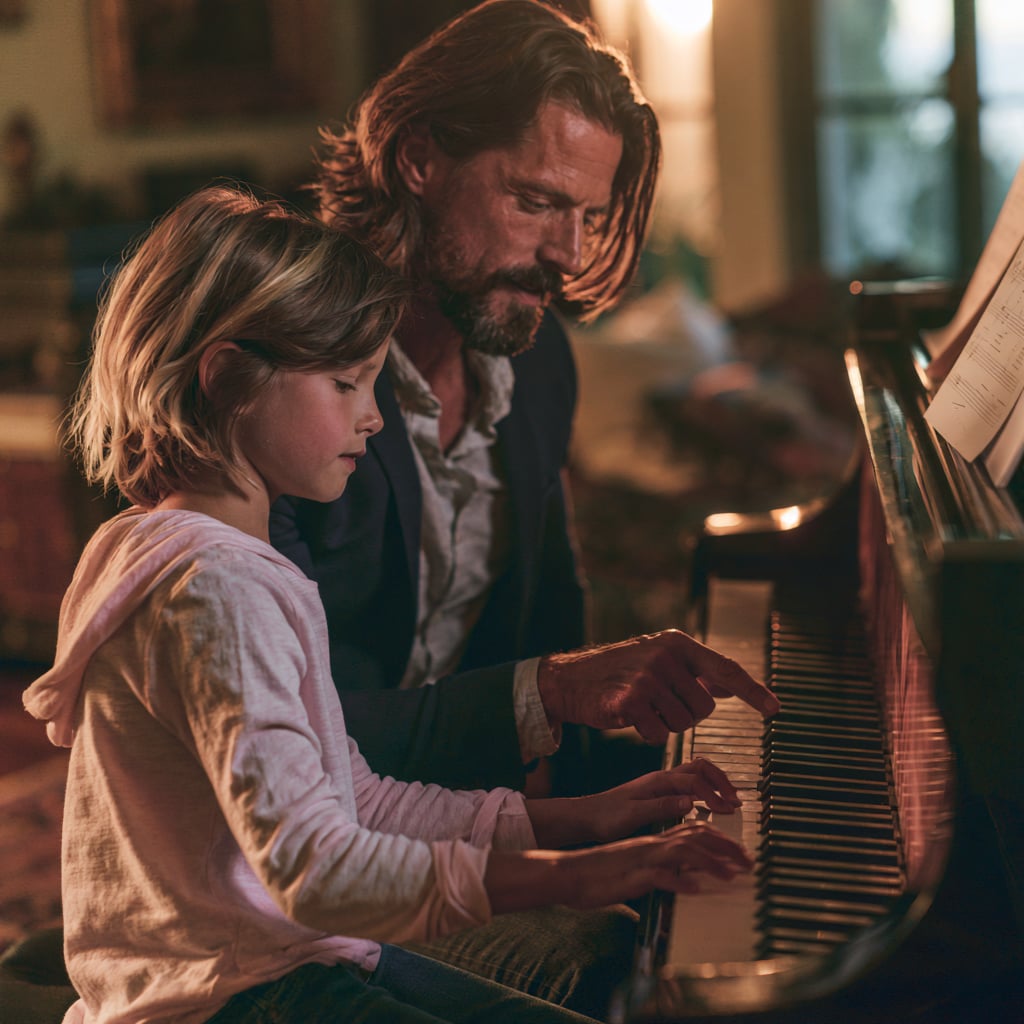
Every parent whose child takes music lessons faces the same question sooner or later: how do I get them to practice consistently? Not every day is a fight. Some kids practice happily. But most kids, at some point, hit a wall where practice becomes a battle. This guide is for parents in the middle of that struggle—and for parents who want to avoid the struggle before it starts. It draws on the practice patterns we see working across hundreds of Craft Music families.
For the technique side of practice—how to use a metronome, isolate hard spots, and make short sessions count—see our how to practice music effectively guide. This article focuses on the parent side: building a daily routine, motivating your child, and avoiding the mistakes that turn practice into a fight.
The single biggest predictor of consistent practice is not motivation or discipline. It is routine. Kids who practice at the same time of day, in the same place, with the same setup, practice more consistently. Practice stops feeling like a daily decision and starts feeling like something that simply happens—like brushing teeth or packing a backpack.
Times that tend to work best: right after school and before other activities; right after homework and before dinner; or weekend mornings after breakfast. Times that usually backfire: right before bed (tired kids fight everything), immediately upon waking (most kids need transition time), and “whenever there is time” (there rarely is).
A common parenting mistake is expecting too much time on the instrument. Age-appropriate minutes matter more than most parents realize. Practice guidelines by age, ideally daily:
Consistency matters far more than duration. A child who practices 10 focused minutes every day usually progresses faster than a child who crams a long session once or twice a week—even when the weekly totals look similar on paper. Daily contact with the instrument builds memory, fluency, and confidence in a way binge practice cannot match.
Almost every child hits at least one “I want to quit” phase—often between months three and nine of lessons, and sometimes again around ages 11 to 13. That is normal. How you respond often determines whether they continue (and later thank you) or stop (and later regret it).
The physical setup of the practice space affects daily practice more than most parents expect. A few small choices help:
On Craft Music, the practice plan stays visible between lessons in Lesson Hub—goals, shared notes, practice updates, and assignments—so home practice supports what happened in the lesson instead of starting from scratch each week. That works for both in-home lessons and online lessons (50 minutes, with variable rates set by each teacher).
Families whose kids continue music through their teens and into adulthood almost always share three things: a great teacher, a stable practice routine, and parents who treat music as valuable without forcing it. Kids do not need to become professionals. They need to feel that music is part of family life and identity in some form. That framing—not “you have to practice”—is what sustains music education for the long term.
For ages 4 to 7: 10 to 15 minutes. For ages 8 to 12: 20 to 30 minutes. For ages 13 to 18: 30 to 60 minutes depending on goals. Consistency matters much more than duration.
Right after school before other activities, after homework and before dinner, or weekend mornings after breakfast. Avoid right before bed or during tired transitions.
Use a same-time, same-place routine so practice becomes automatic. Praise effort rather than talent. Be present but not intrusive. Celebrate small wins. Talk to the teacher early if practice turns into a fight—and keep the plan visible in Lesson Hub between lessons.
Listen without arguing. Talk to the teacher first—many quit phases resolve with a small adjustment. If the issue is teacher–student fit, switch teachers rather than quitting music entirely. Browse the teachers page or ask the concierge in the bottom right.
Being present in the same room helps; hovering over every note usually does not. The exception is Suzuki-style work with very young children (roughly ages 3 to 6), where parent involvement is expected and structured by the teacher.
Looking for a music teacher whose approach makes daily practice easier for your family? Browse Craft Music teachers, or open the concierge in the bottom right to get matched by age, personality, and goals.
Find My Teacher Meet Craft Music teachers Browse online lessons How to practice effectivelyAt Craft Music, we believe music is an expressive language and a creative outlet. It shapes culture and identity, and we're here to inspire and support your musical and personal growth!


Need Support?
admin@craft-music.com© Copyright 2026 Craft Music. All Rights Reserved. Various trademarks held by their respective owners.