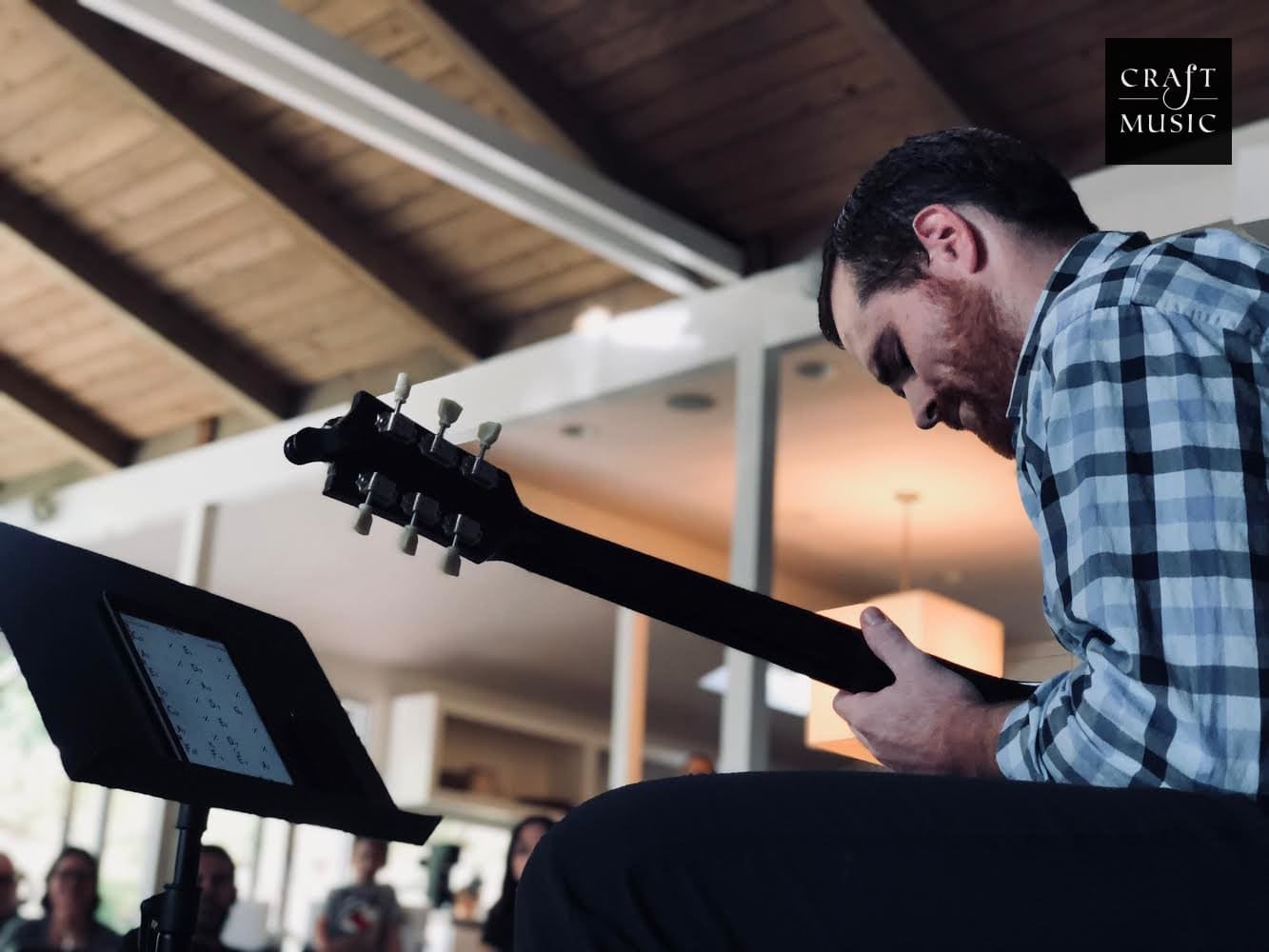
Guitar is the most requested “I want to learn an instrument as an adult” starting point in SF, and one of the top three requests for kids and teens as well. The Bay Area has a deep pool of professional guitarists: session players, singer-songwriters, jazz guitarists, and rock touring musicians. Finding the right guitar teacher in SF is less about whether talent exists and more about matching the right teacher, style, and format to what you actually want to play.
This guide walks through the whole SF guitar lesson landscape: what to look for in a teacher, what format works best, what to buy before your first lesson, and how long it takes to actually play songs. For deeper content on beginner guitar mechanics, our beginner guitar chords guide and easy guitar songs for beginners articles pair well with this piece. You can also browse Craft Music San Francisco for citywide lesson options.
What Guitar Should a Beginner Buy?
Do not overthink this, but do not buy the cheapest option either. The most common beginner mistake is buying a $50 department-store guitar that literally cannot be tuned, which turns practice into frustration and quitting into likelihood.
For acoustic beginners
A Yamaha FG800 or FS800 (around $200) is the go-to recommendation of most working teachers. Playable, in tune, sounds good, holds value if resold. For kids under 10, look at 3/4 size versions of similar models.
For electric beginners
A Squier Stratocaster or Squier Bullet ($200 to $300 with amp bundle) covers everything a beginner needs. Great neck feel, standard shape, easy to upgrade individual components later if you continue playing.
For classical or fingerstyle beginners
A Yamaha C40 or C70 nylon-string ($150 to $250) is the standard recommendation. Nylon strings are easier on beginner fingertips than steel strings, and classical technique transfers cleanly to other styles later.
What Age Can Kids Start Guitar in SF?
For acoustic guitar with a 3/4-size instrument, most kids are ready around age 6 to 8. Electric guitar is best started around age 8 and up because of the weight and the amp setup involved. Before age 6, small-body ukulele works better as a first “guitar-like” instrument, because the smaller neck and lighter strings are physically more accessible. Our full breakdown by instrument is in best age to start music lessons.
How Long Until You Can Play a Real Song?
For most beginners with 15 to 20 minutes of daily practice: first two-chord and three-chord songs within two to three weeks, first full recognizable song within four to six weeks, ability to change between the main open chords smoothly within two to three months. Our full guide to how long it takes to learn an instrument covers the guitar timeline in detail.
How Craft Music Works for SF Guitar Students
Craft Music matches SF guitar students to conservatory or professionally trained working guitarists based on the style you want to play, your age, and your neighborhood. Every teacher is background-checked and personally interviewed before joining. Browse and book a teacher on the Craft Music teachers page, start from our San Francisco lessons page, or use the concierge in the bottom right to get matched.
One SF-specific feature that matters for guitar students: many working Bay Area guitarists on the Craft Music team play regular gigs across SF, meaning the teacher your child (or you) learns from is an actual working musician performing this month at Bay Area venues. This gives lessons a real-world edge that YouTube tutorials and generic online platforms cannot match: you are not just learning technique, you are learning the actual working practices of a Bay Area professional guitarist.
The other feature that matters for busy SF schedules: format flexibility. If you sign up for in-home lessons and later need to switch to online for a few weeks (school break, work travel, illness), the switch is free and keeps you with the same teacher. This continuity of teacher matters more than most beginners realize, because progress accelerates when the teacher already knows your technique quirks and